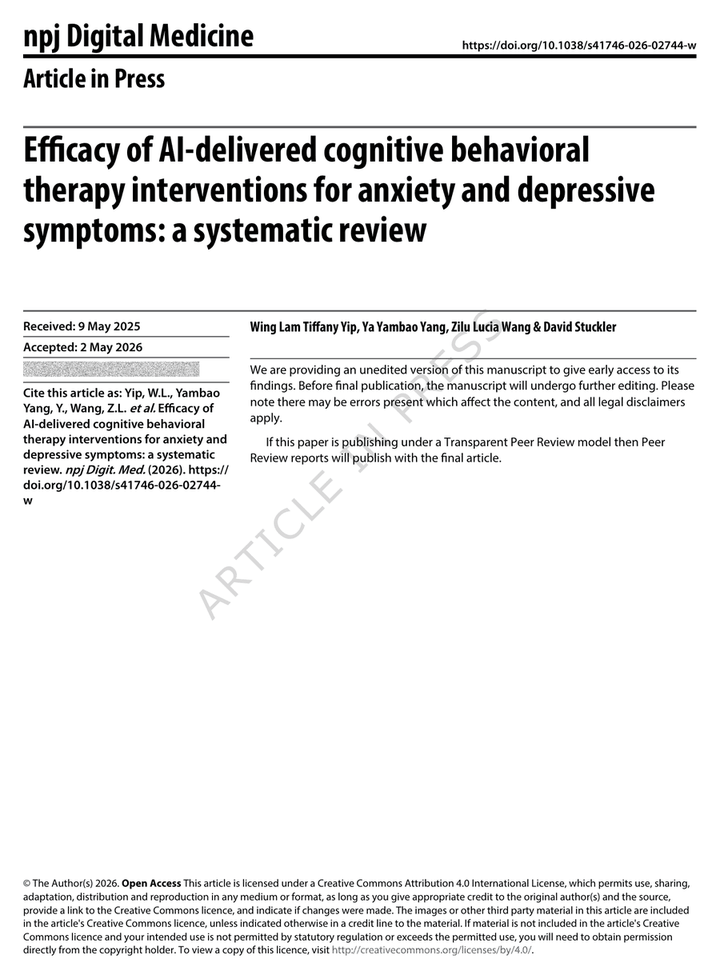
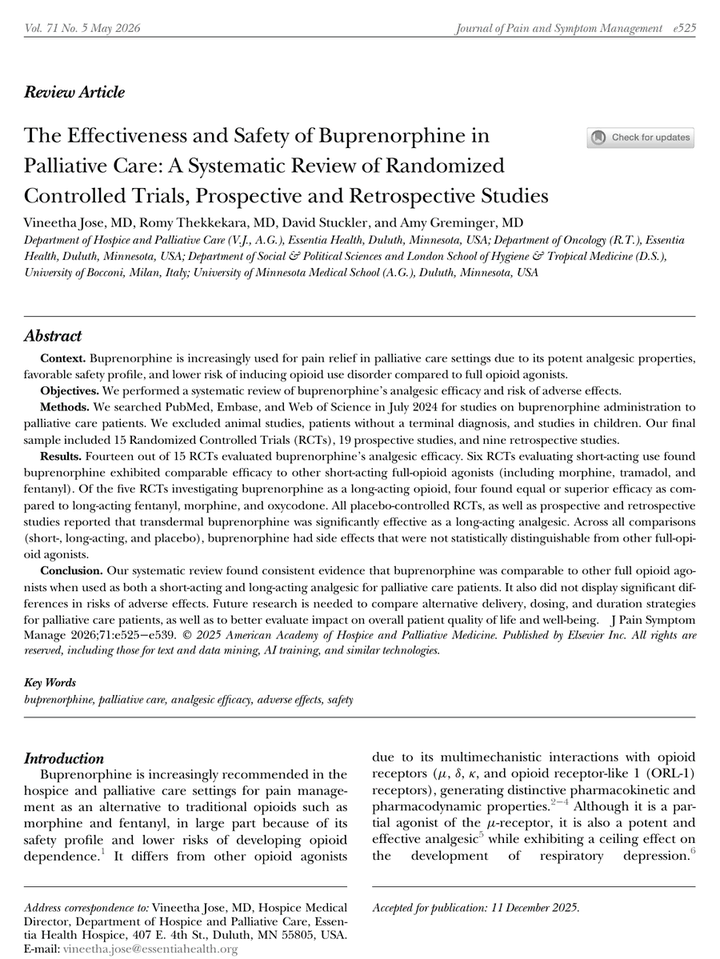
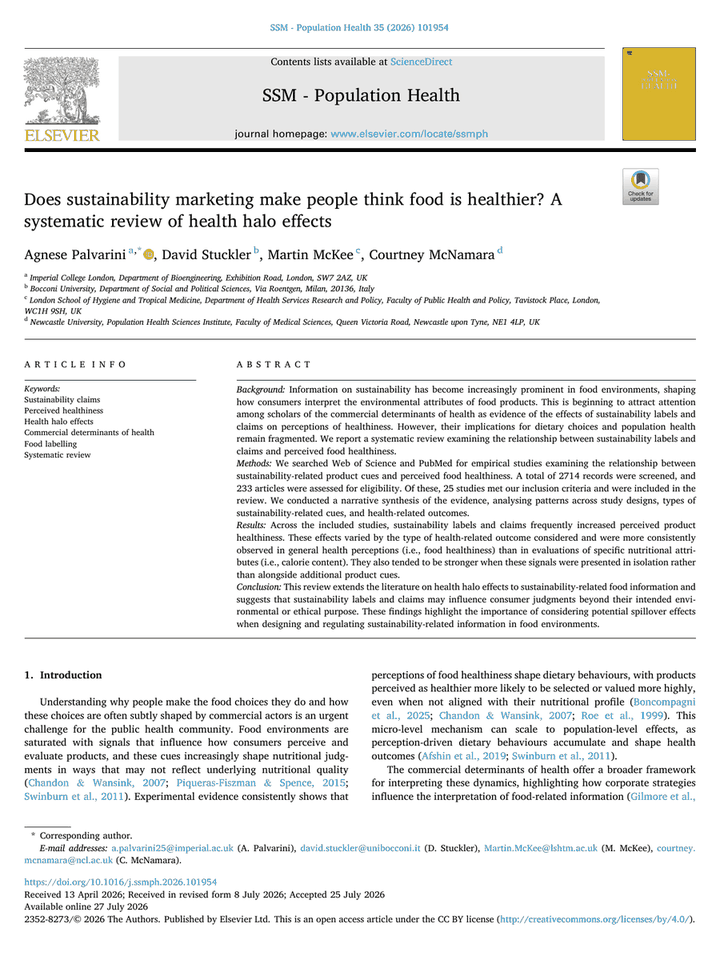
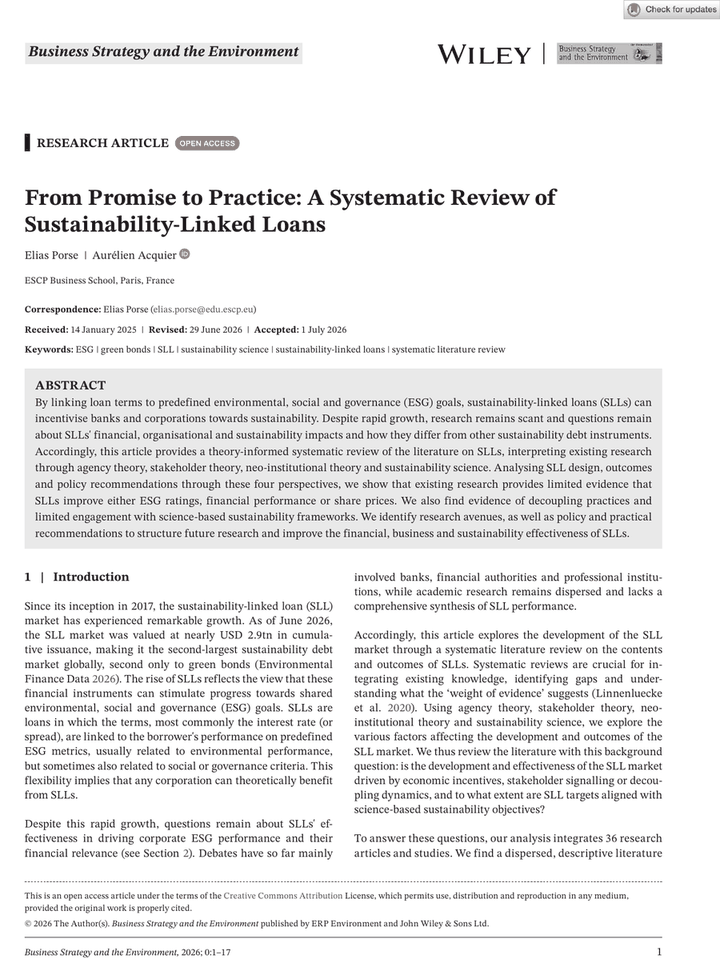
These researchers came in stuck. They had the data, the questions, the ambition, but no clear path to publication. The FastTrack Method made the implicit logic of research explicit. Most went from feeling stuck to first paper accepted in three months.


The case studies that follow aren't outliers. They're representative of a repeatable pattern across the FastTrack research collective. Figures are conservative and reflect aggregate outcomes over time.
"I had little experience publishing as a first author. I wasn't expecting that I would publish three articles within that time. Then I got admitted to the doctoral programs I most wanted, with funding."
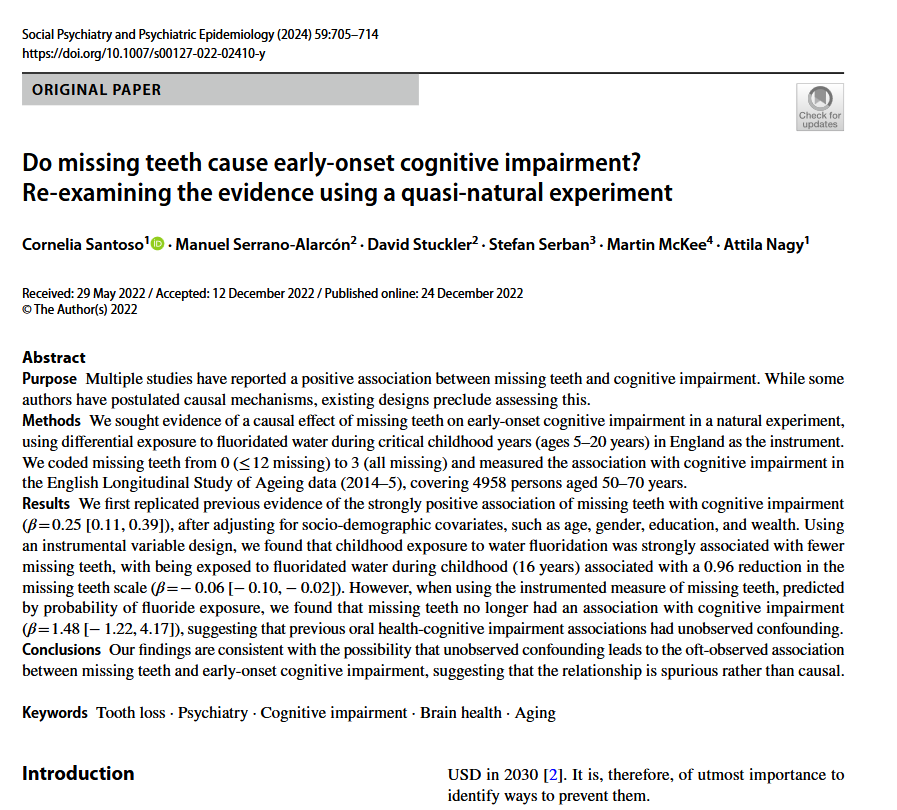
An accomplished physician with military experience, but no first-author publications. He came in with no clear research topic. Through FastTrack he focused on the intersection of his passion (migrants, equity), feasibility (rapid COVID literature), and live academic debate (vaccine inequities). He published a systematic review as first author plus two co-authored papers, leading to funded admission at Johns Hopkins, Berkeley and Boston University, with Harvard on waitlist.
"Meeting you has been the single most valuable resource of my entire PhD. If I'd had an inkling of how quickly I would have turned my project around, I could have finished three years ago."
Verne had five years of field data on Irrawaddy River dolphins in Cambodia: necropsies, toxicology, genetics, pathology. But her supervisor refused to let her submit her thesis. She came to the first call in tears. The issue wasn't her data. It was a missing writing structure. "You taught me the PEER style of writing. It wasn't that much you had to teach me before I was able to submit my PhD."
"I've received over $60,000 in funding since joining, largely by applying the writing and structuring frameworks I learned here."
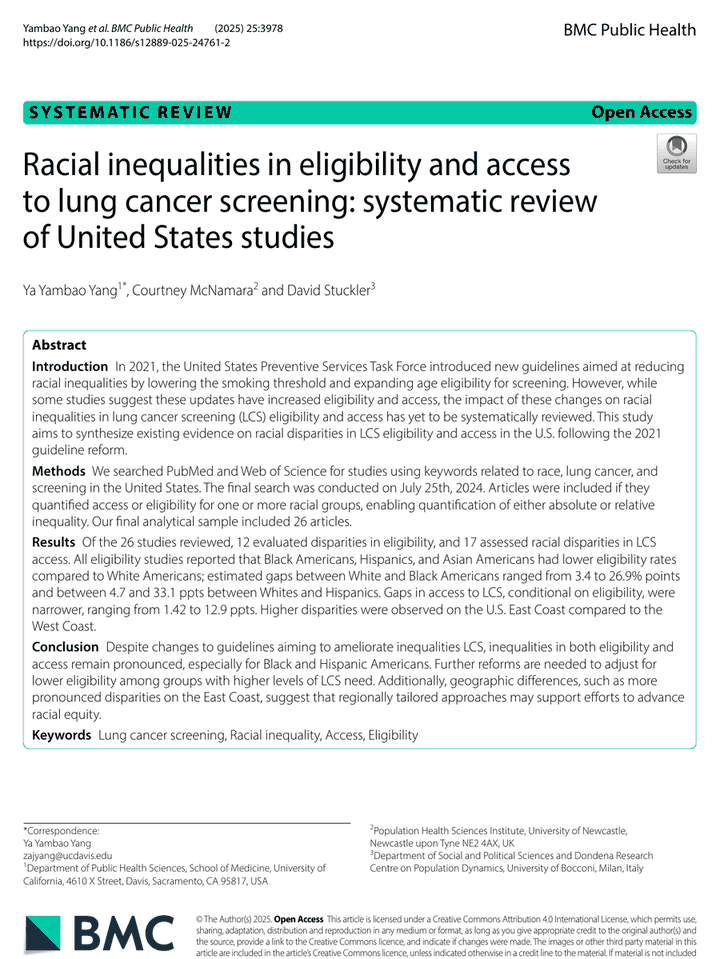
Ya did FastTrack before his PhD. In US-style programs the first years are coursework-heavy and fast-paced. By the time he started, he had a Q1 systematic review already in print. Since then,, $60,000+ in research funding. "In PhD programs they train you too, but the professors are really busy. You don't get the same attention as you do with FastTrack."

"I felt like I was stuck in a neutral gear. Nothing was going forward. I'd lost faith in myself and my ability to publish."
Tal had been doing research since 2021 with a great supervisor, but felt stuck in neutral, doubting whether he was cut out for academia. He found Prof Stuckler through YouTube videos on impostor syndrome. Less than five months after starting the program, his first paper was accepted in a high-impact journal. He's since presented at a conference in Austria, is preparing to present in Tallinn, Estonia, and colleagues at his research centre now come to him for coaching.
"It is a dream come true. I would not have been able to do this without this program."
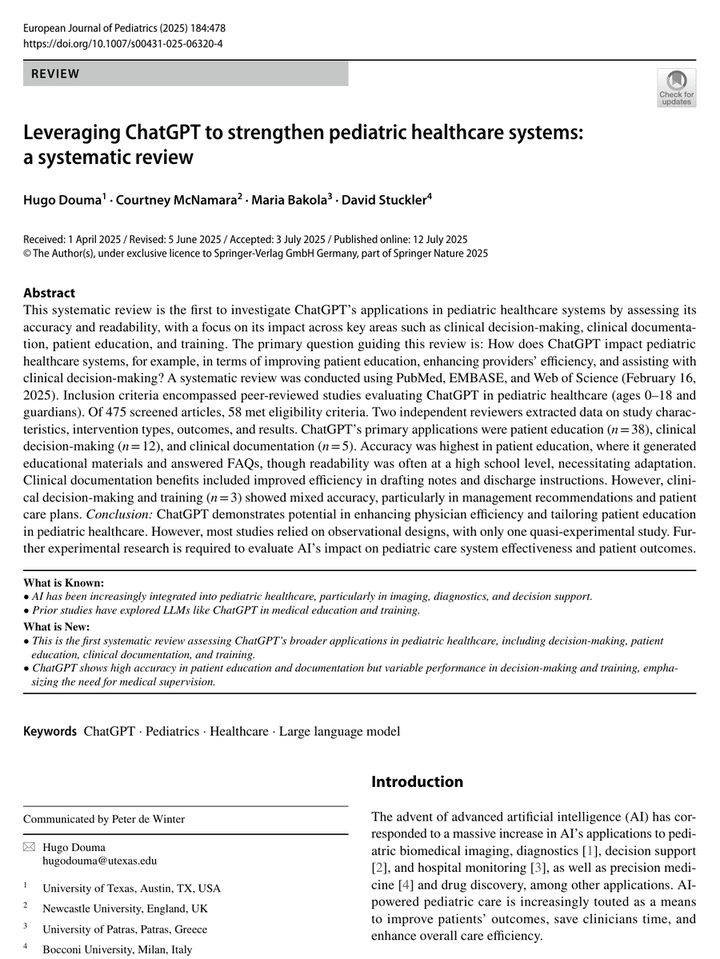
Six years into practising hospice and palliative care medicine, Vineetha had always carried a dream of publishing a paper, one she'd never been able to act on during training. She found FastTrack, and her systematic review on buprenorphine in palliative care was accepted in a top-tier journal in her field. Beyond the publication, she now reads scientific papers differently. "A whole new lens through which to see the world, to practise medicine, to interpret evidence."

"FastTrack helped me understand that rejection is often about fit and precision, not bad ideas."
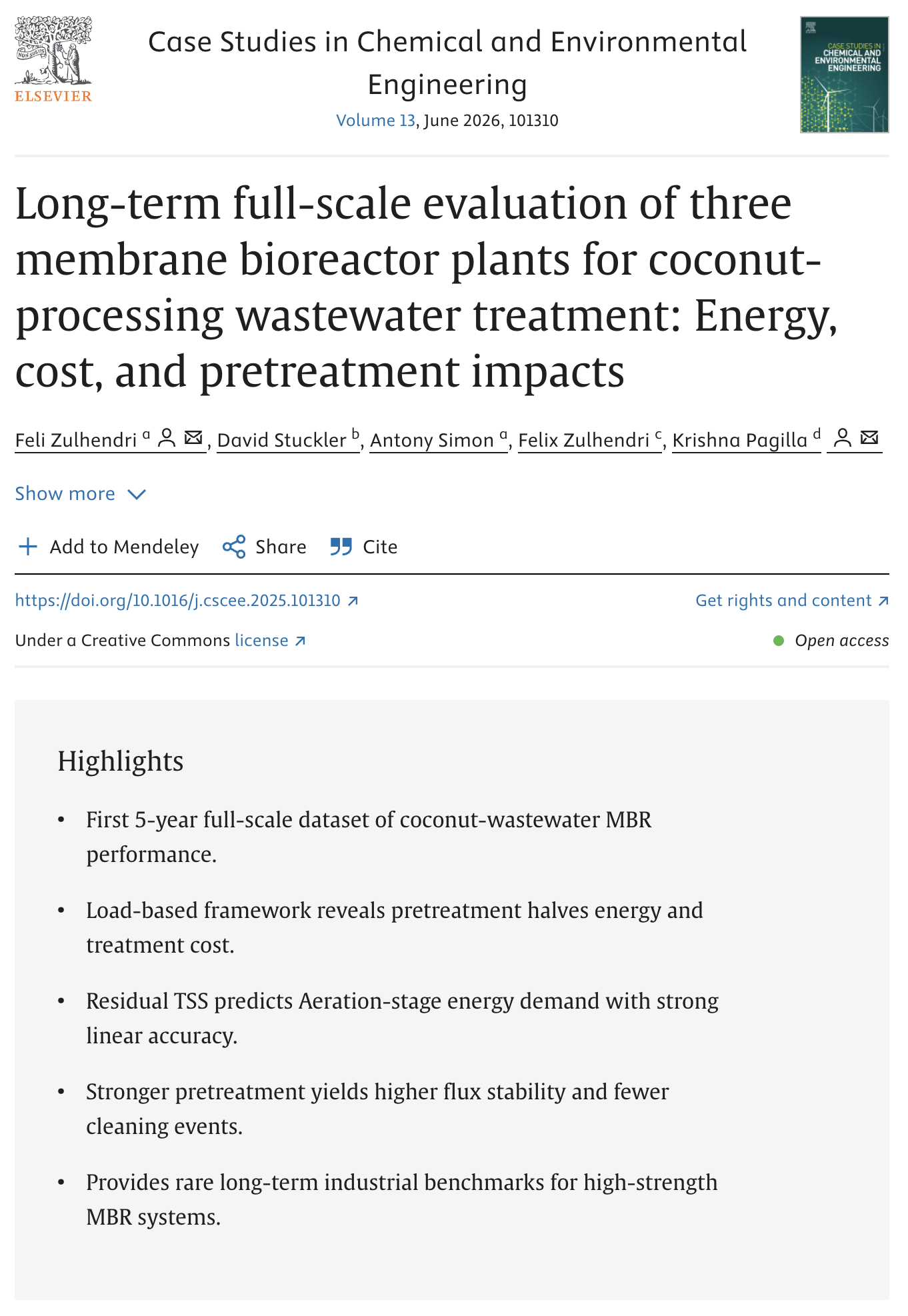
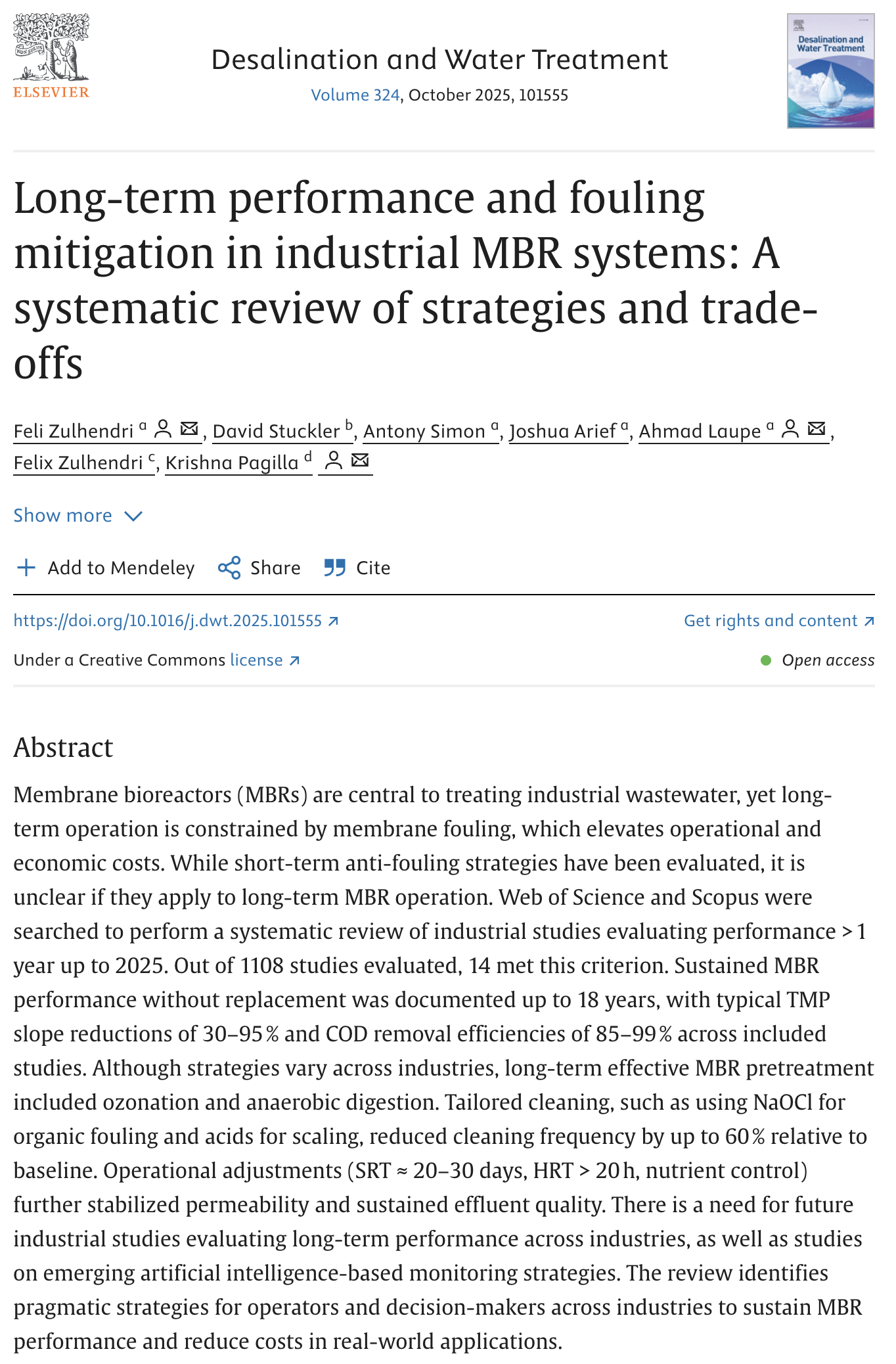
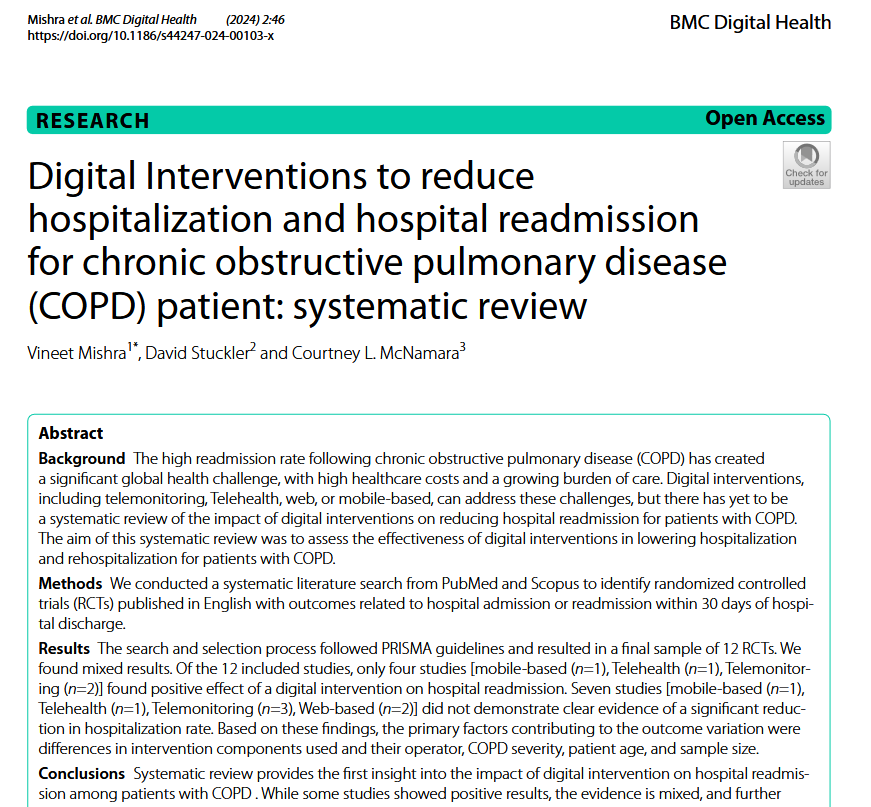
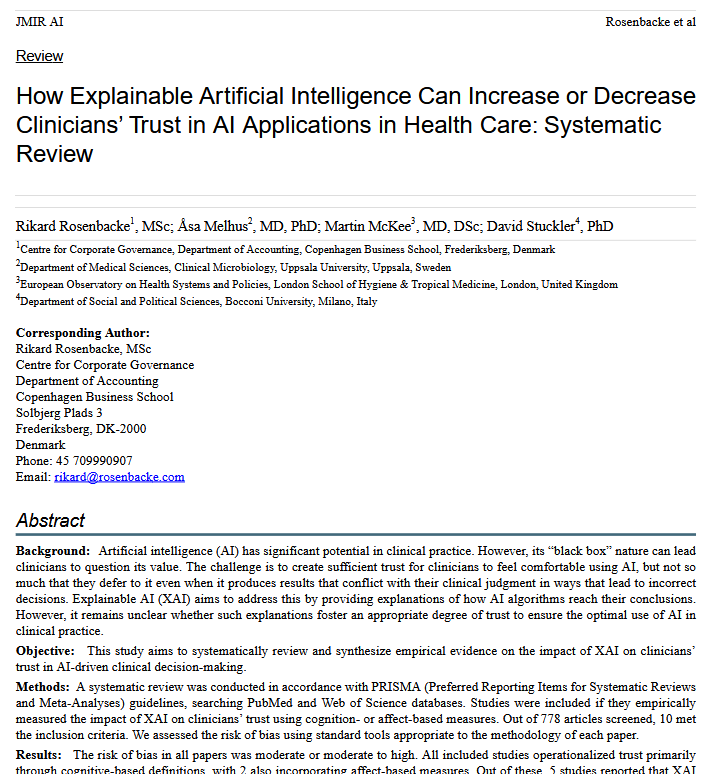
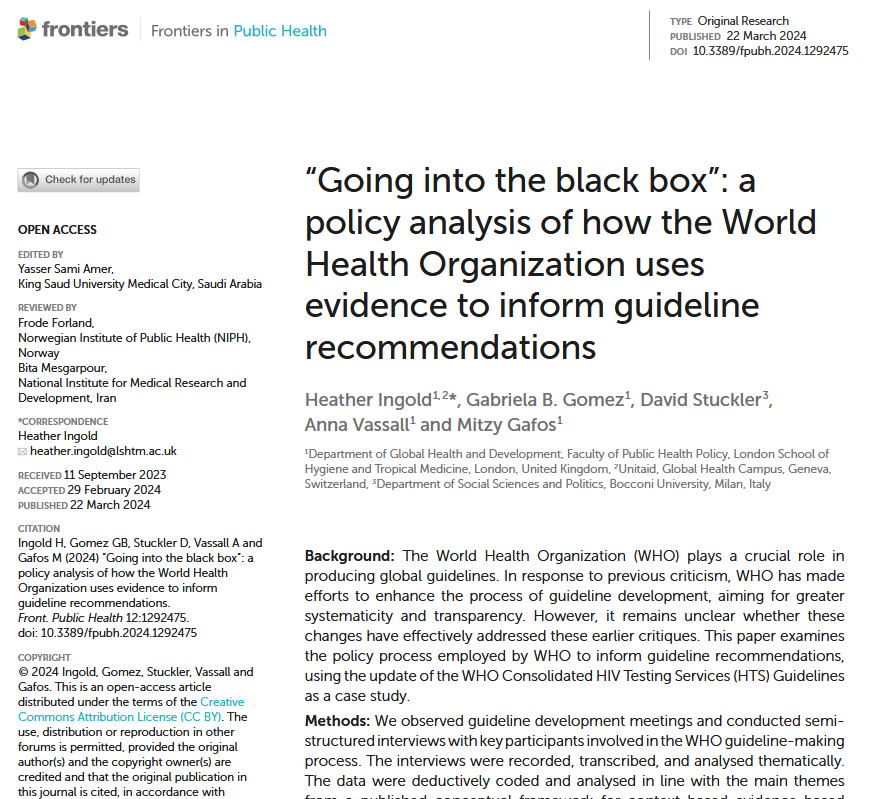
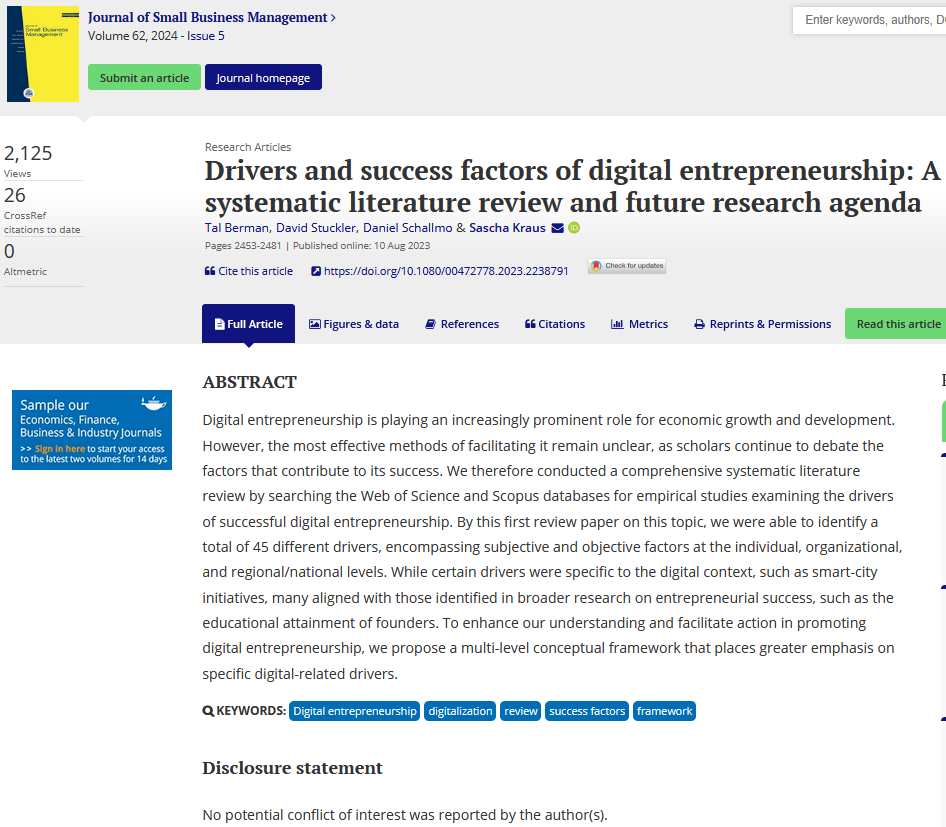
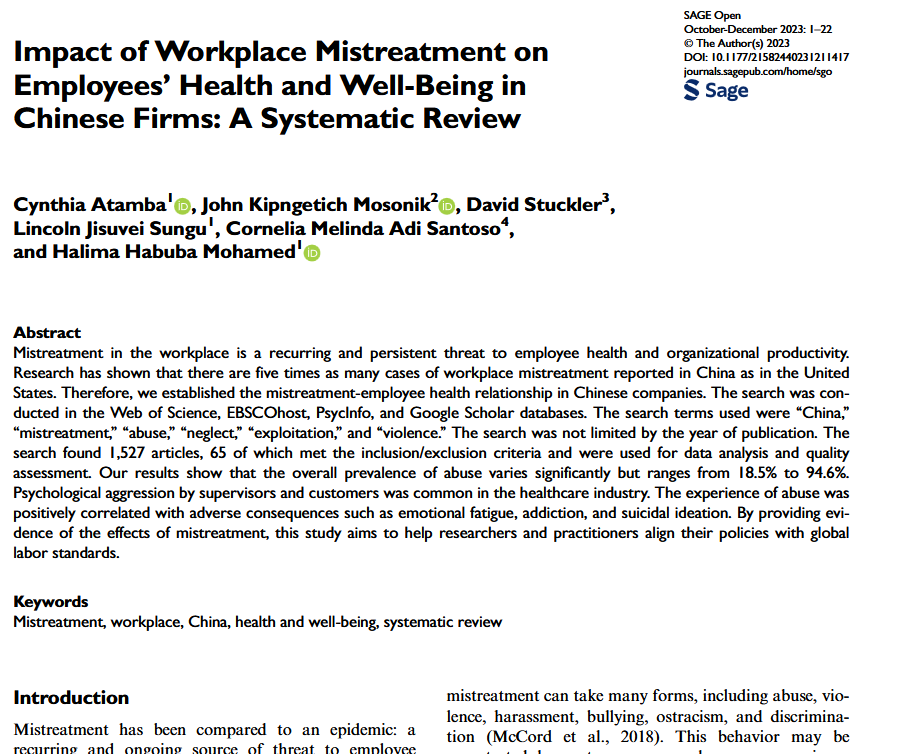
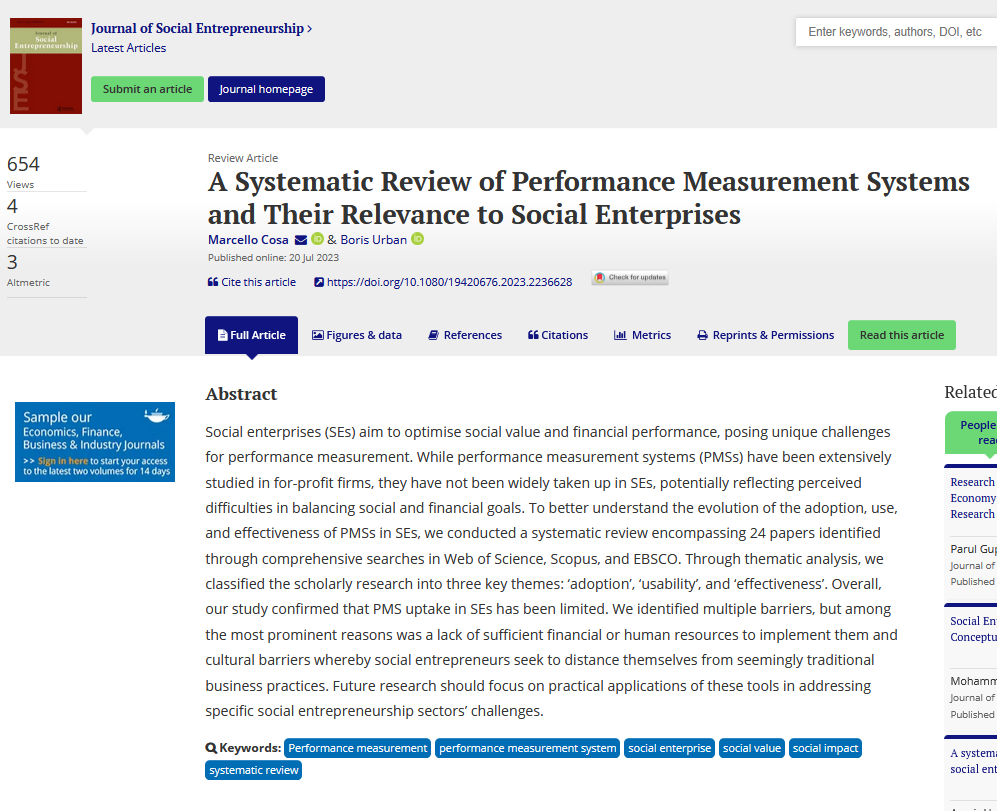
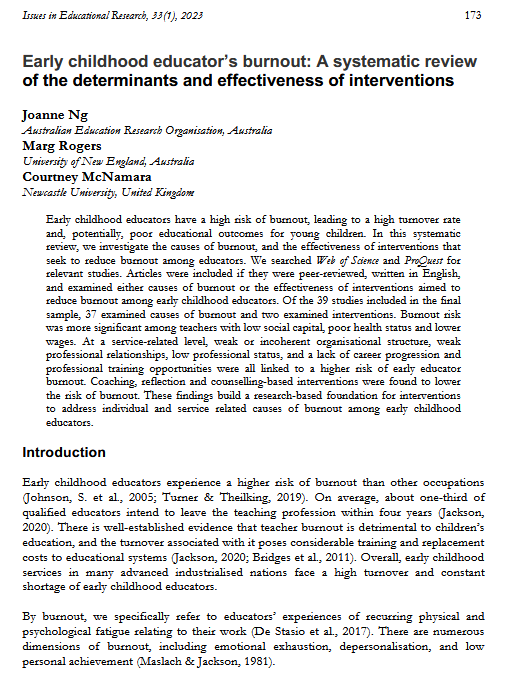
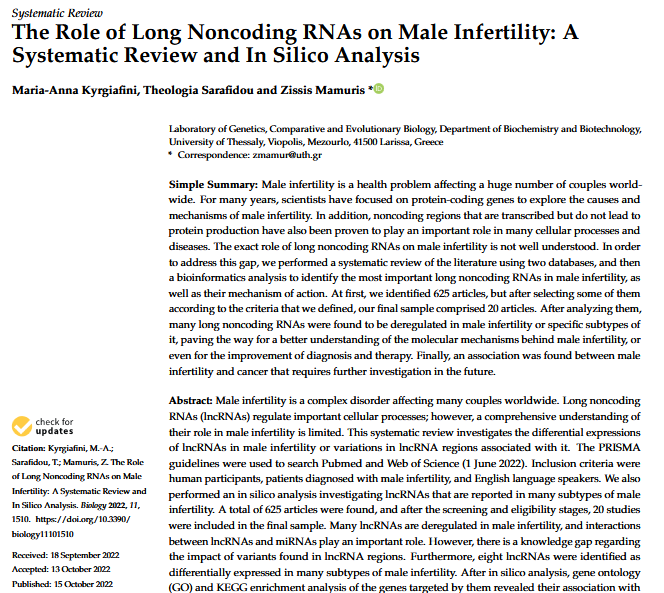
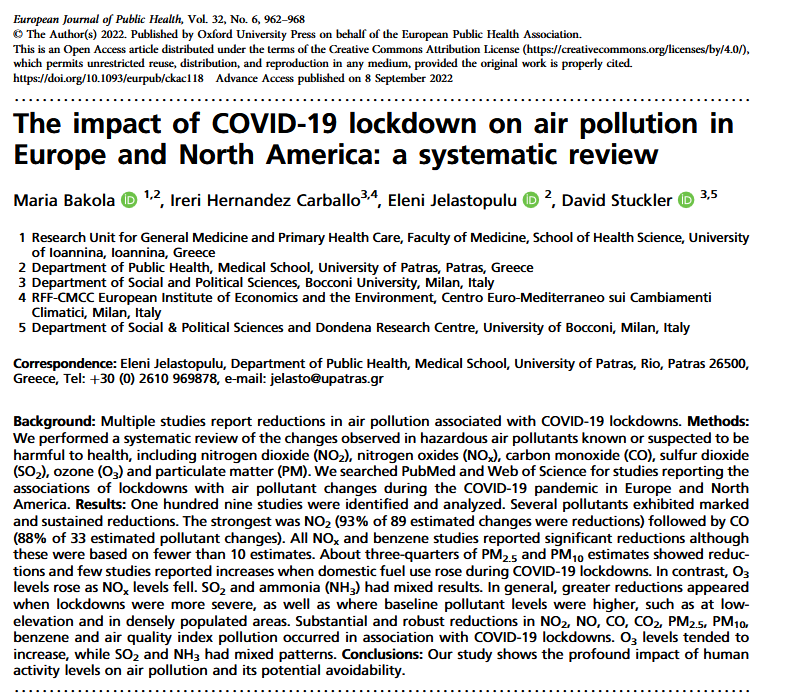
A mid-career engineer running his own company. No academic background to speak of, doing a second master's, and getting "death rejections" before joining FastTrack. Three peer-reviewed papers later (including the systematic review pictured plus a full-scale industrial evaluation in Case Studies in Chemical and Environmental Engineering), Feli says the precision discipline reshaped both his publication trajectory and how he runs his business. "For the fees you charge, it's a very good deal."

"I was really scared. I didn't know what to do. I had so many papers to read and I didn't know what to do with them."
Six months into her PhD, she felt like a fraud surrounded by students who seemed to know what they were doing. She hadn't even picked her topic. In three months she had her first paper accepted in a high-impact journal. By six months, a second paper out and a systematic review through peer review in a top journal.

"Today I finally received the publication of my first Systematic Review. I really am grateful that I had the conversation with you. I think you had that foresight."
After more than a decade out of academia, Joanne was considering a Masters of Research but worried she wasn't at the level expected. She published her first systematic review through the program before her Masters began. "Don't hesitate, don't procrastinate, just get in touch."

"I think it's the most wonderful thing that has ever happened to me in my thesis."
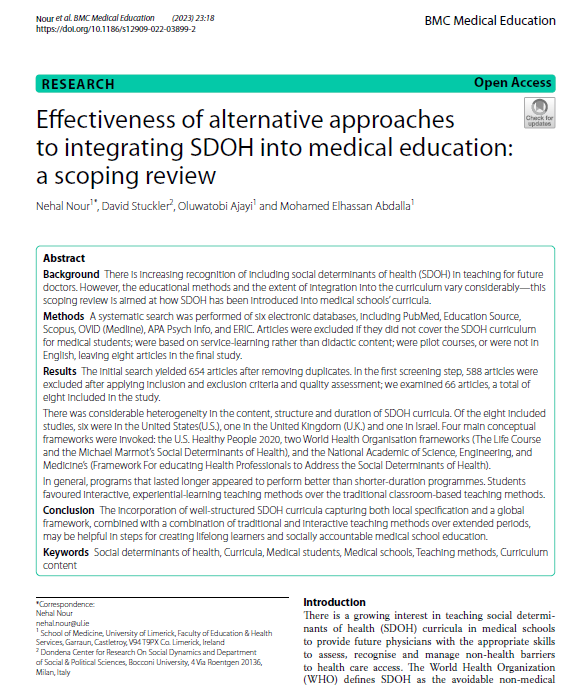
A practising clinician working on her postgraduate thesis with no prior journal publications. FastTrack took her from a standing start through her first systematic review, published in BMC Medical Education. "It's tailored to your needs. What level you're on. So it's suitable for each and everyone."
If the method resonates and you want personal guidance through it, the next step is a 30-minute strategy call. We use it to identify the single biggest barrier slowing your research, and to build a plan for your next publication.
We work with researchers who can commit five to ten hours a week over three months, and who are ready to invest in serious mentorship.
Apply to work with Prof Stuckler →