The methodology used by 700+ researchers in 50+ countries to write, finish, and publish in peer-reviewed journals.
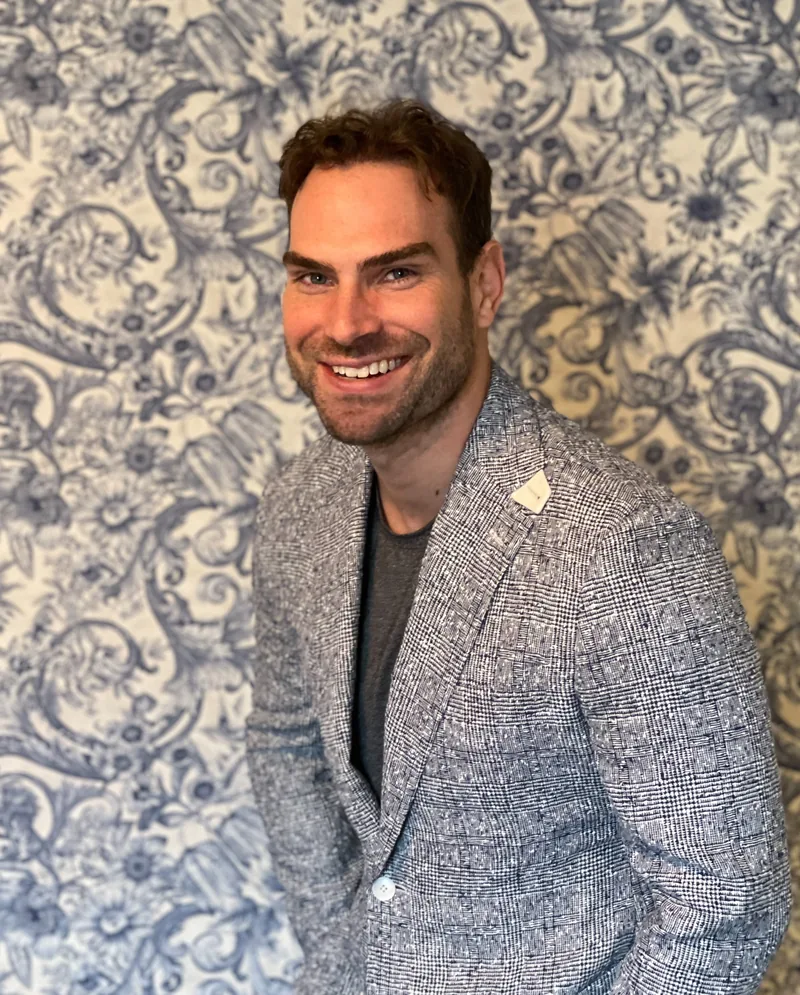
I was a full professor at Oxford in my early 30s, and a tenure-track professor at Harvard. My PhD is from Cambridge.
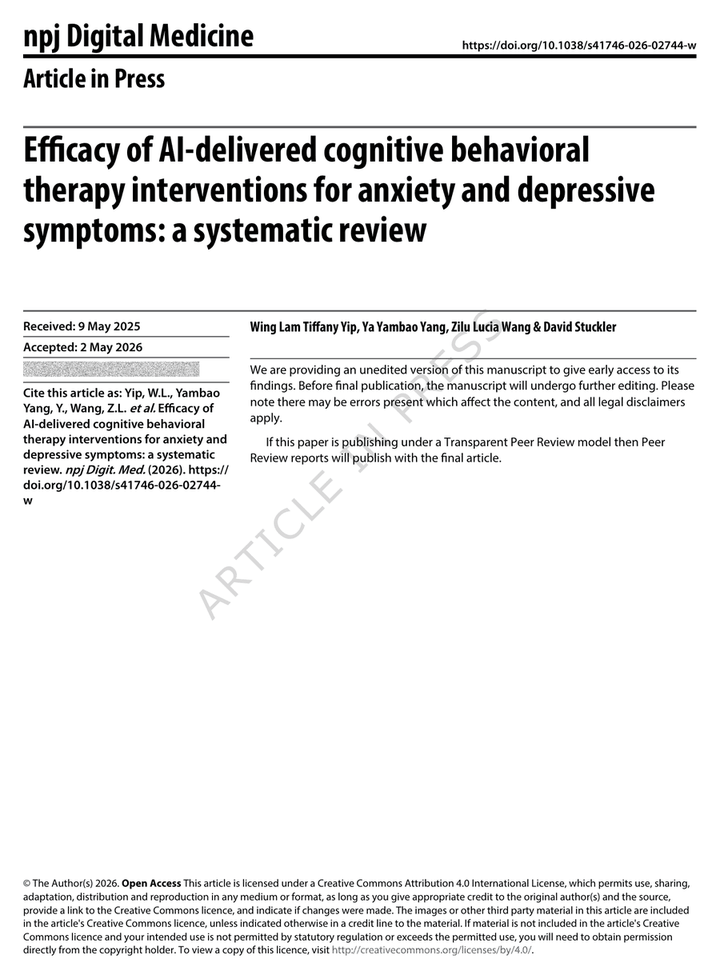
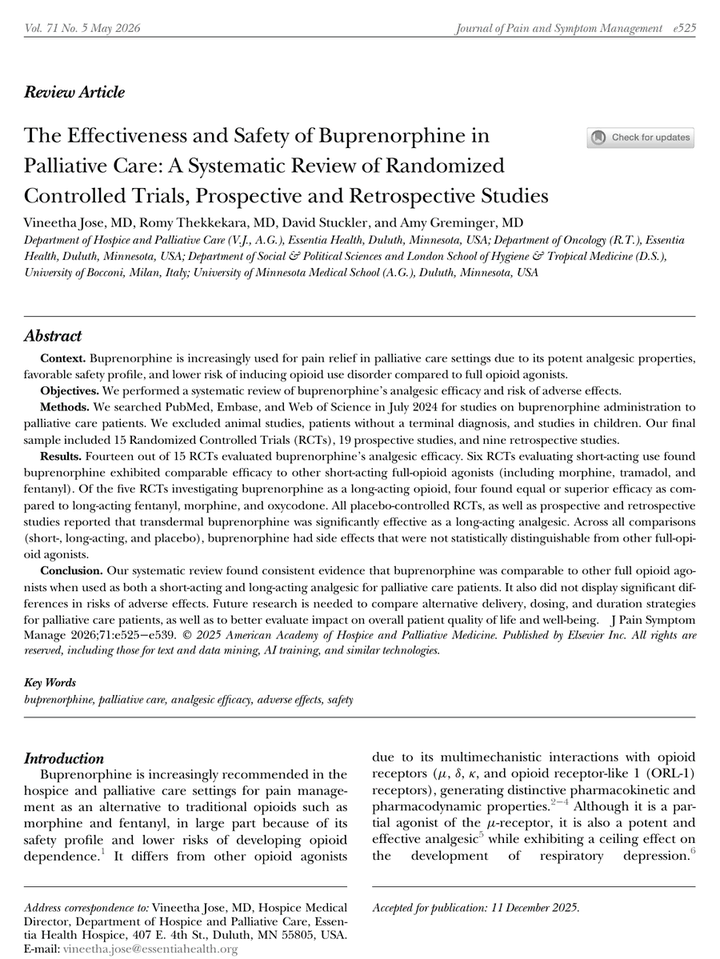
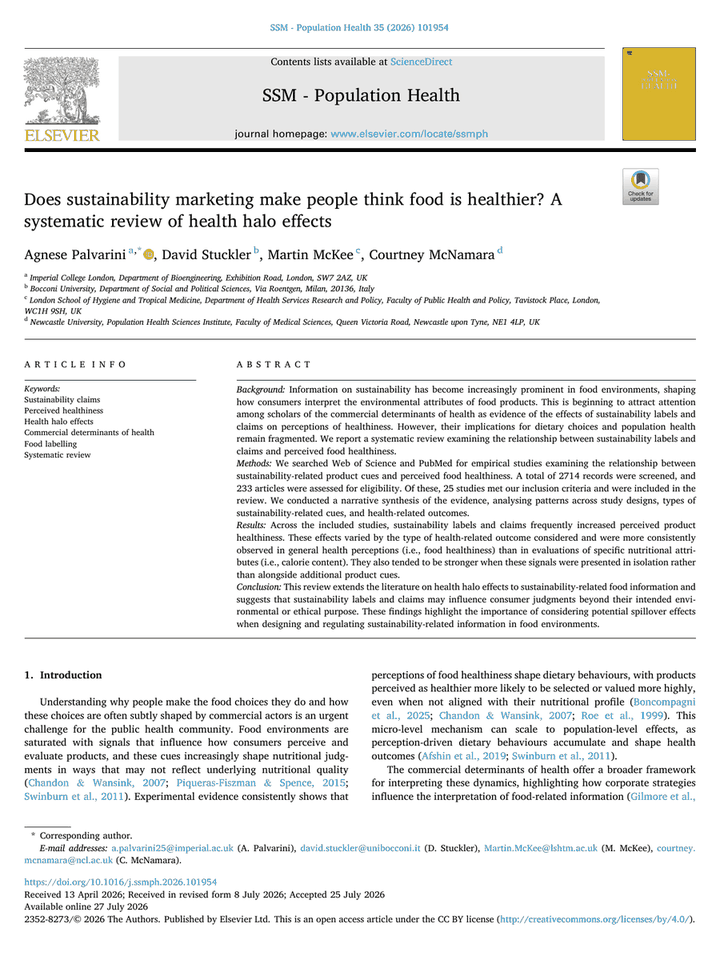
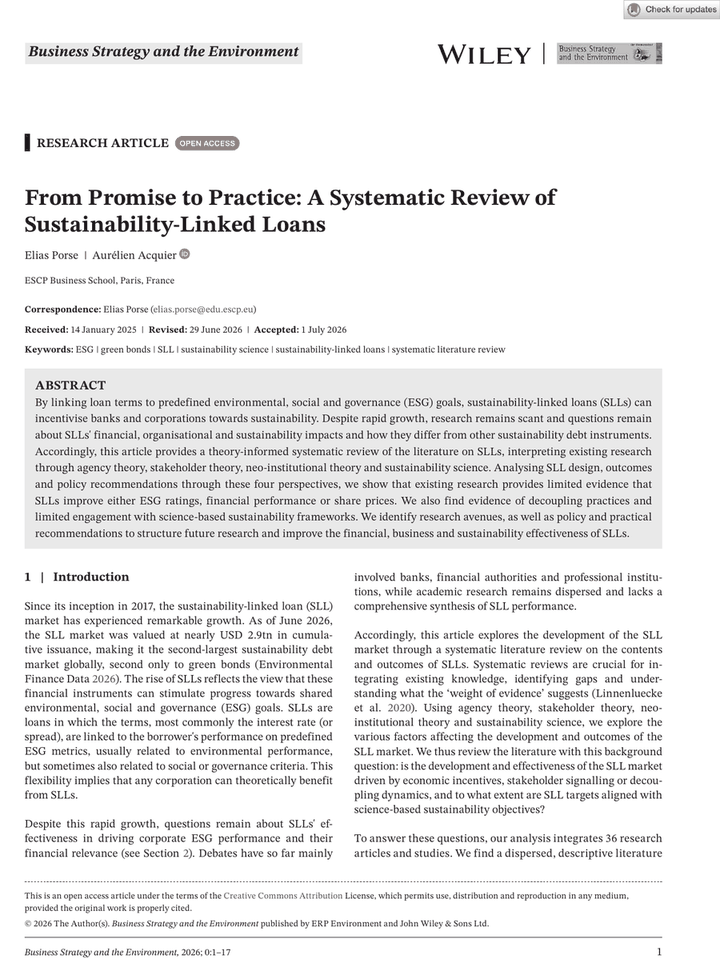
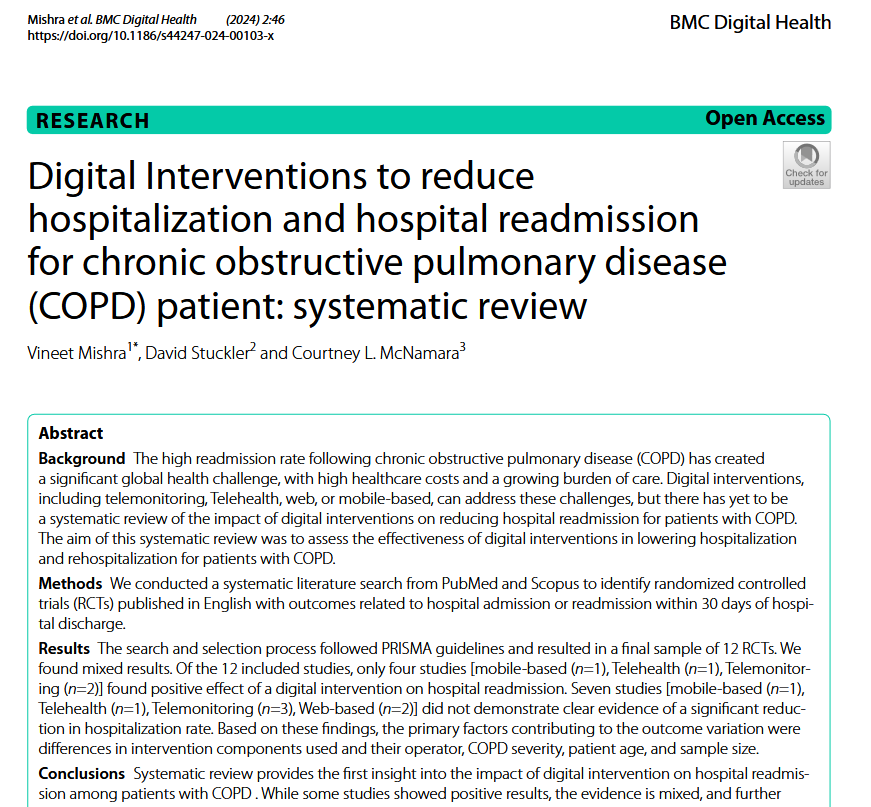
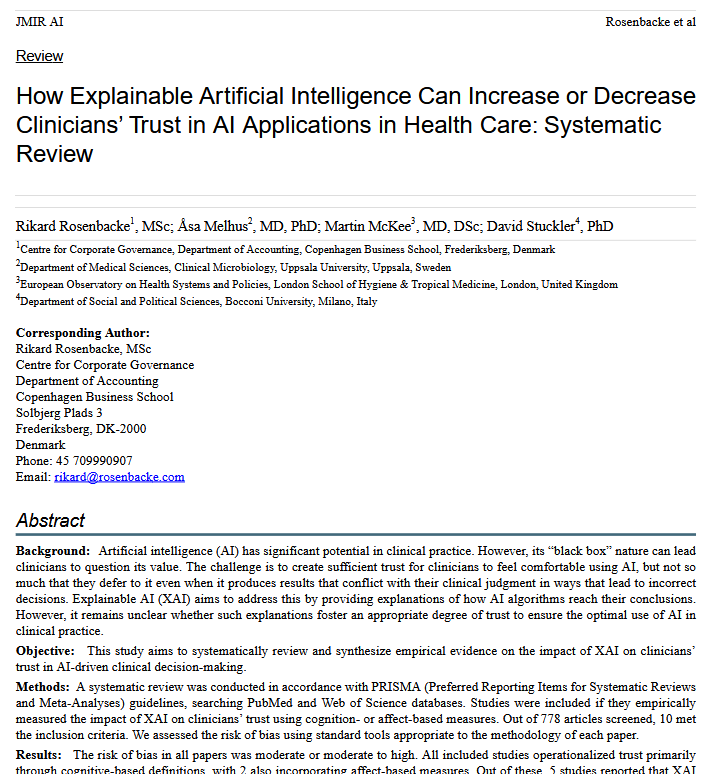
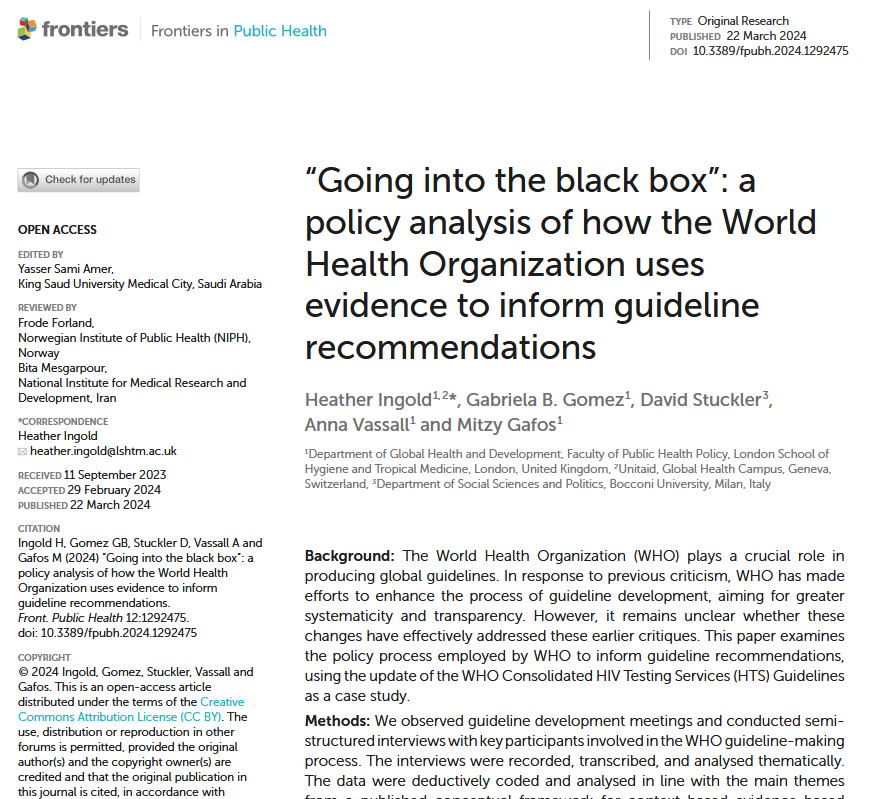
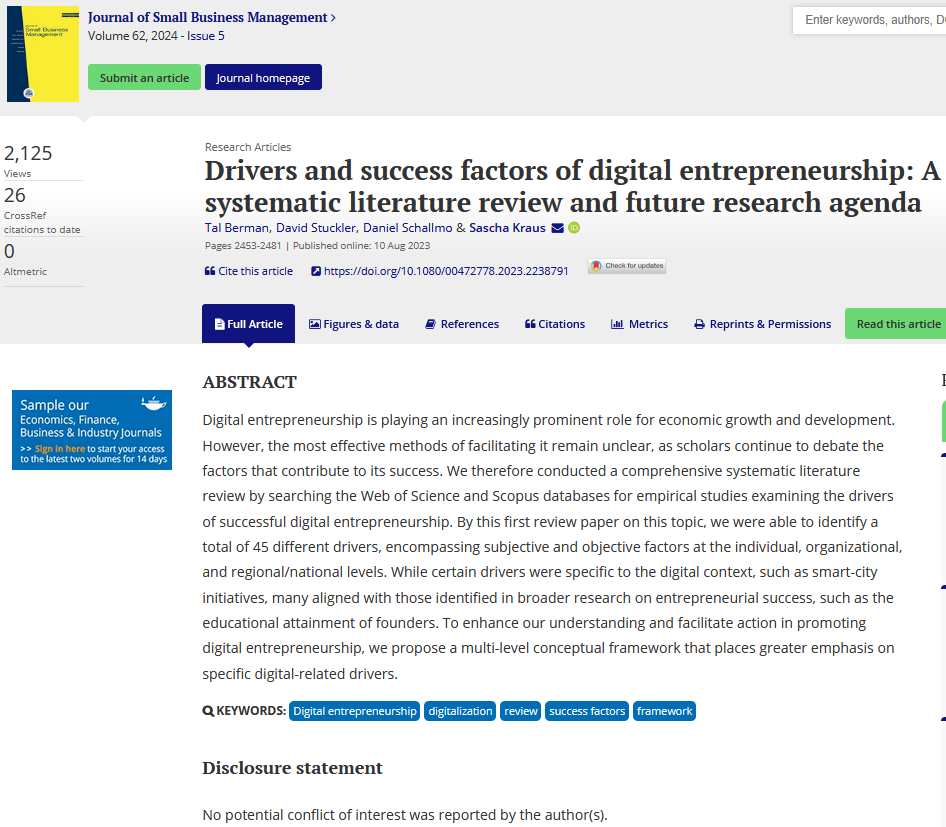
I have published over 400 peer-reviewed papers in journals including Nature, The Lancet, the British Medical Journal, PLoS Medicine, and PNAS. My work has been covered in major international news media, and I have trained over 700 researchers across 50 countries.
Beyond the publications, I am increasingly interested in something else: the structural problem of why so many capable researchers never publish. Universities don't teach the mechanics; they assume you'll absorb them by osmosis. Supervisors are stretched thin. Brilliant students lose years on topics that were doomed from the start.
The FastTrack Method is what I wish someone had taught me at the beginning.
Most first papers are lost here, months before anyone writes a sentence. The question is unanswerable with the data available, or it has been answered four times already.
An unfocused literature search returns nine hundred papers and no argument. Done properly it returns forty, and tells you exactly where your contribution sits.
People write the introduction first. It is the last thing you can write honestly, and starting there is why drafts stall at 60 percent for a year.
Fix those three and the timeline collapses. Not because anyone worked faster, but because the wasted year never happens. That is the whole of what we teach.
AI is good at the next sentence. It's bad at the next six months. It will polish a literature review for a topic that was never publishable, agree with a framing a reviewer will reject, and send you confidently down dead-ends, because it optimises for the answer in front of it, not for your career. What gets researchers published isn't more information. It's judgement: knowing which topic survives peer review, when a draft is done, and when to stop reading and start writing. That's what the mentorship gives you.
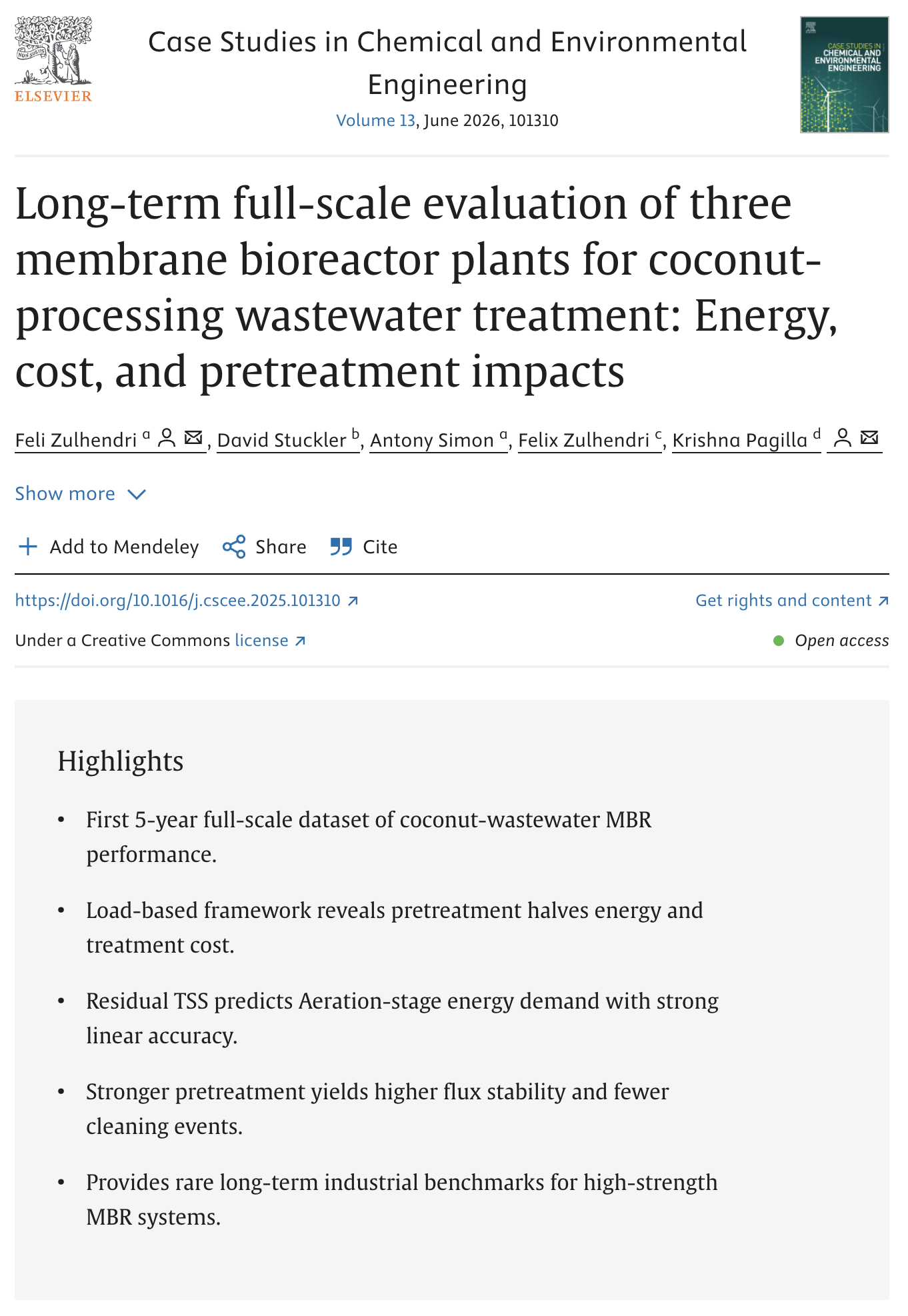
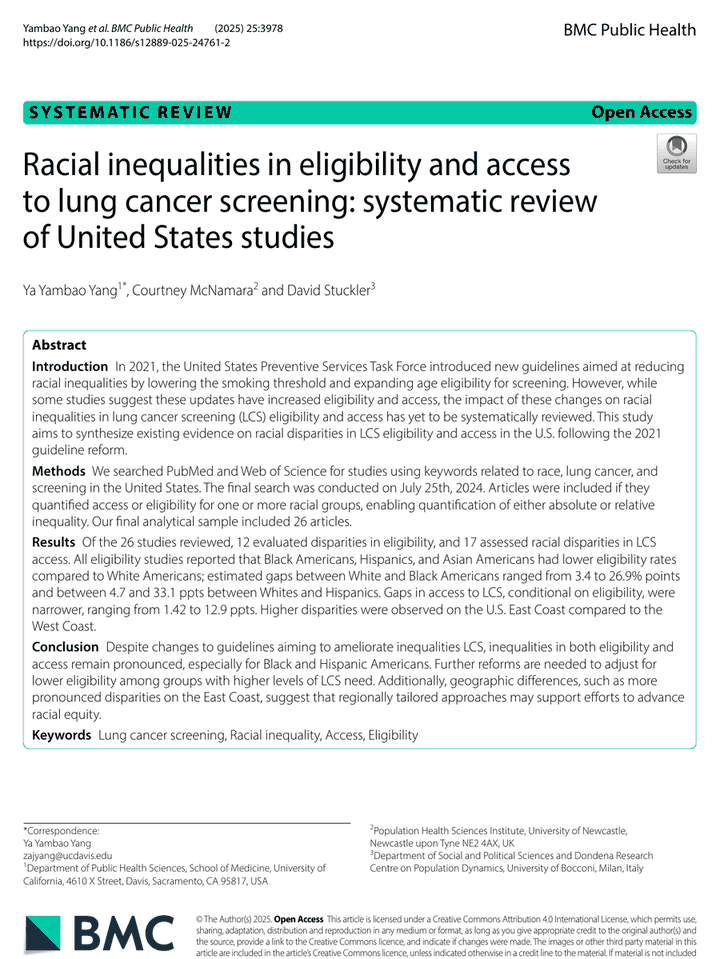
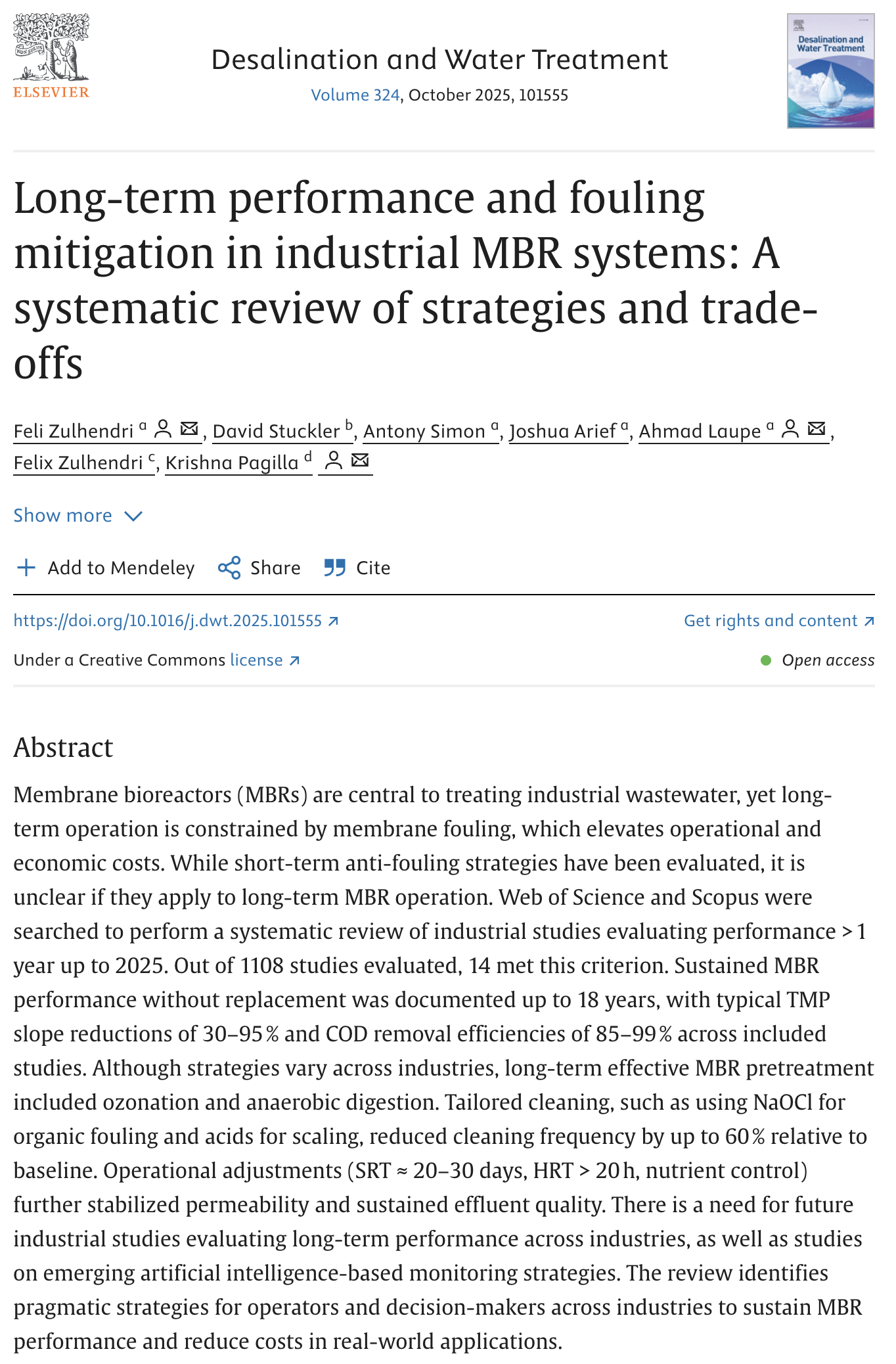
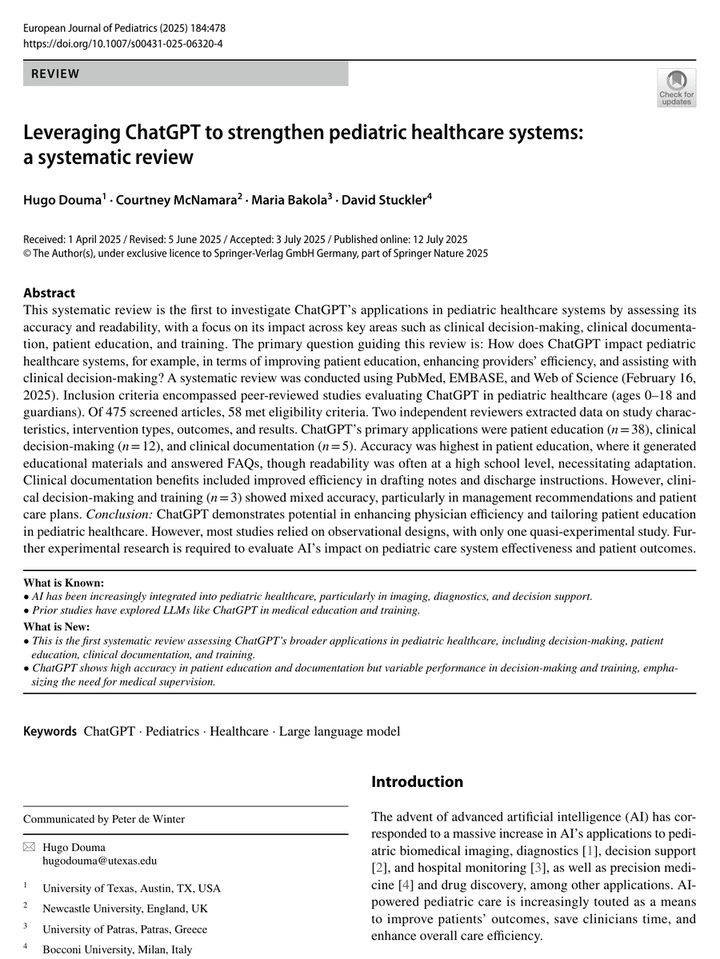
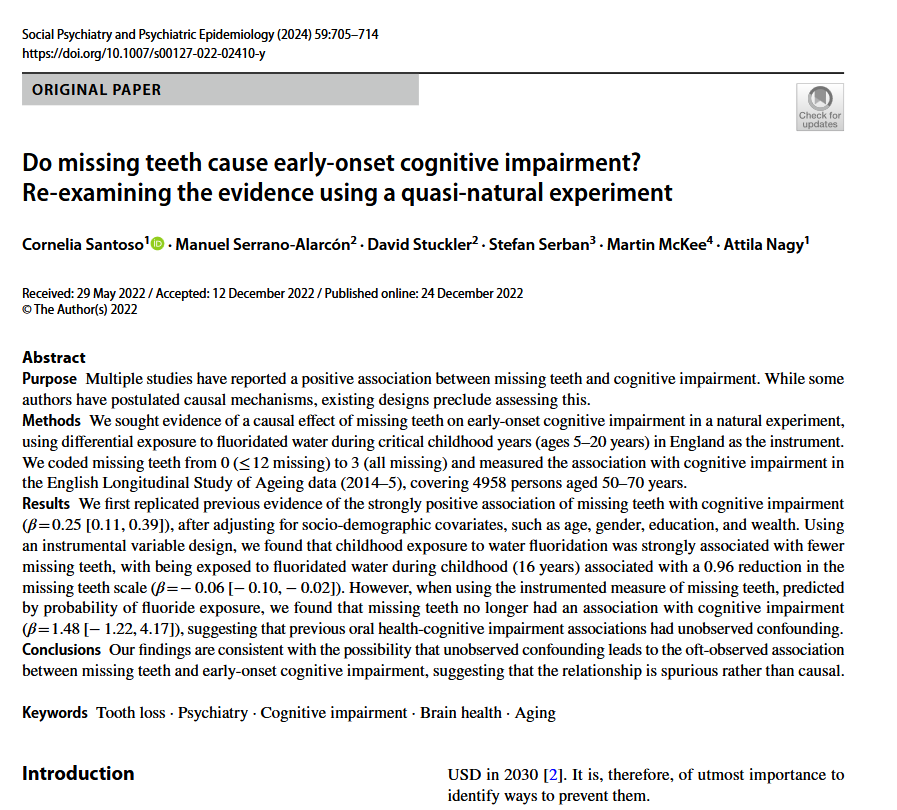
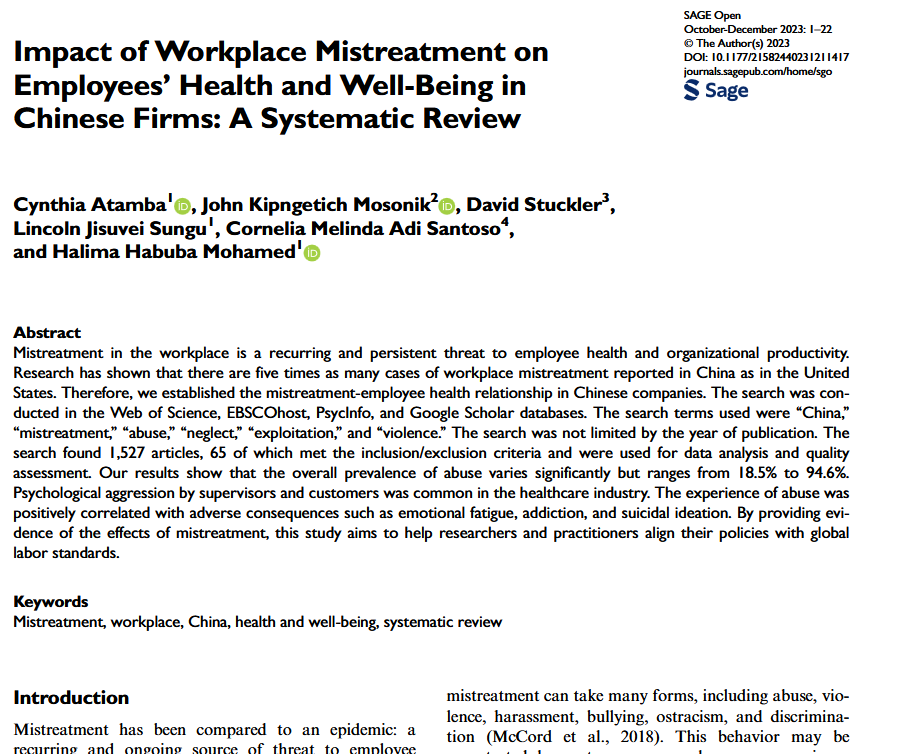
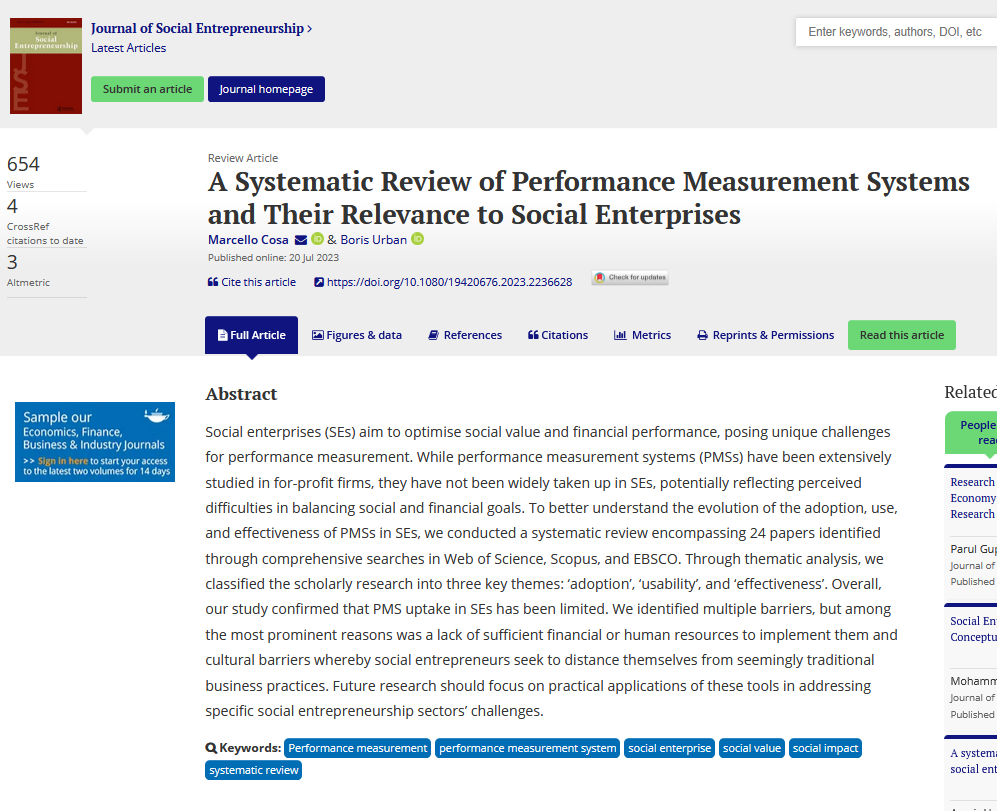
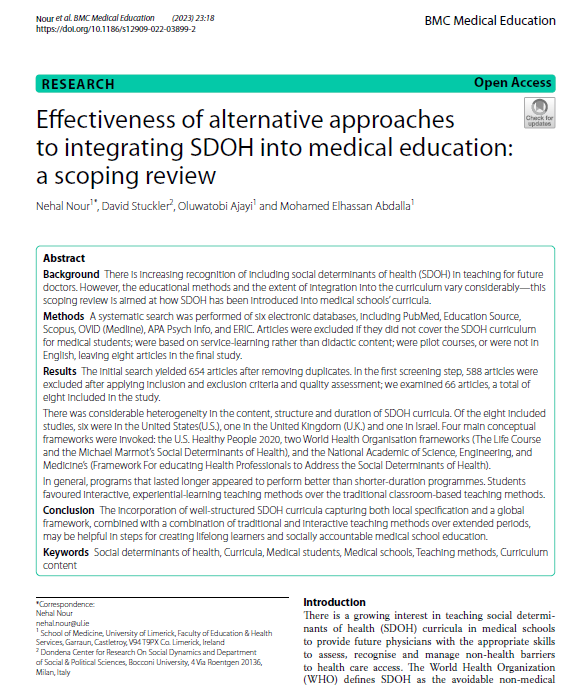
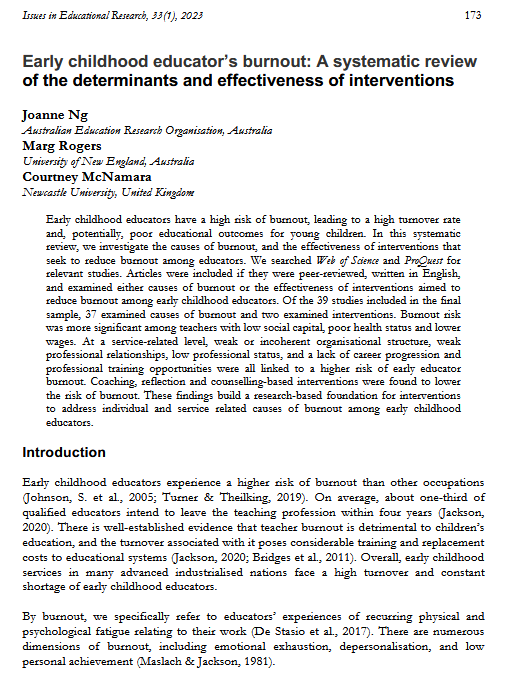
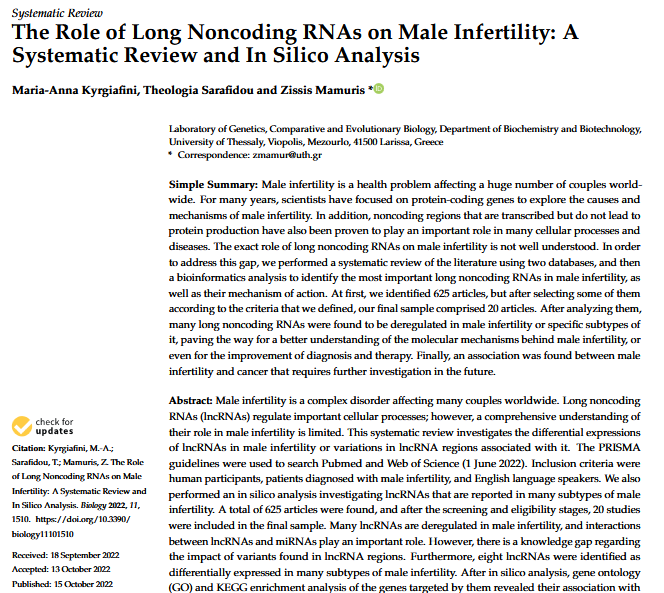
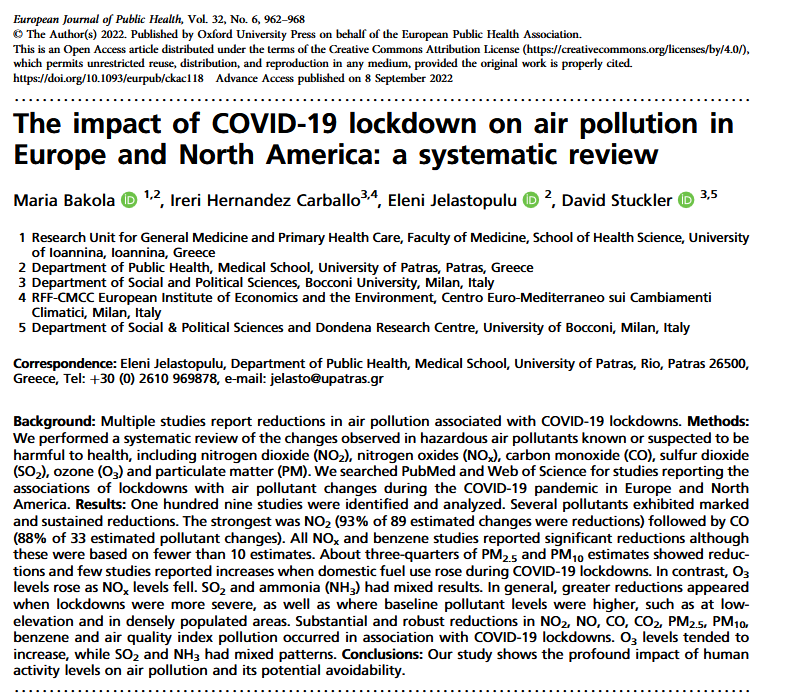
"Four papers published in six months. Full rides to Harvard, Berkeley, Boston, and Columbia."
"First paper published in a high-impact journal, three months in."
"Three rejected papers became three published papers in six months."
Most people start there, and it's the best place to start, because the topic is where first papers are won or lost.
In your roadmap session we generate and validate topic ideas against your interests, your access to data and your hours, using the Convergence Method, and map out three or four viable research questions. You leave with a validated topic, and you learn the method, so you can do it yourself for every paper after.
Much more than a course. You get a roadmap session that turns where you are now into a step-by-step plan, unlimited direct messaging with Prof Stuckler and the mentor team, two live group feedback workshops a week, detailed video feedback on everything you submit, and a community for day-to-day help.
We guide you through execution; we don't hand you videos and wish you luck.
Submit your work at any stage: research questions, abstracts, literature reviews, draft sections. You get detailed video feedback, often screen-recorded with commentary, showing exactly what to change.
There's live feedback at the weekly workshops, and if your timetable means you miss them, you still submit and still get a personalised video response.
Yes, it's entirely possible. Many of our students, featured above, had minimal or no prior experience and still got published in about 3 months. You do not need a methods background. That is the part we teach.
That said, the speed at which you get your paper published will largely be contingent upon how much time you are able and willing to dedicate on a weekly basis. Most students who publish in 3 months spend about 5 to 10 hours per week on their paper. We provide the structure and accountability; your consistent effort determines the pace.
We won't put a date on acceptance, because that date isn't ours to set. What we can tell you is how the work is structured: you always know the next step, and revisions are a normal part of the process rather than a sign something went wrong. If a heavy stretch of term or work makes those hours impossible, we adapt the plan. Consistency matters more than intensity.
Yes, absolutely. The FastTrack program covers all facets of quantitative methods, from designing your study, through data collection and analysis. We provide support for R, Stata, and SPSS.
No. We work alongside your supervisor, not around them. Most members join because their supervisor is stretched thin, not absent.
Many find supervision meetings get more productive once they arrive with validated questions and structured drafts.
The videos teach the method. The mentorship applies it to your paper.
The difference is feedback on your actual work: your topic validated against the literature, your drafts marked up, your next step always clear. Watching someone else's paper get fixed is not the same as having yours fixed.
Yes. Your work stays between you and the mentor team, and your ideas remain yours. We agree any authorship openly at the roadmap session, and only if you want it and the contribution earns it.
Only if you want that, and only where the contribution meets authorship criteria. Some researchers invite a mentor onto the paper; others keep sole authorship.
The support is identical either way, and we agree it openly at the roadmap session rather than at the end.
Tell us early. That is what the feedback calls and the daily messaging are for.
Stalling is almost always a sign the plan needs adjusting rather than that you need to work harder, and adjusting it is quick once someone can see where you are stuck. And we don't stop at the end of the three months.
We're so confident in our system that if you follow the process, we'll stick with you until your paper is successfully published, at no extra cost. In other words, even after the initial 3-month program ends, we'll continue guiding you if you:
We haven't seen another program match this level of commitment. Most stop after a set period. We guarantee we'll stay with you beyond 90 days (or however long it takes) as long as you're putting in the effort.
That commitment is safe to make because of what comes first. We validate your topic against the literature before you write a word, so you start from a question with a real gap behind it, and you never go down a dead end. You learn the validation method itself, so every paper after this one starts the same way.
Important note: we can't guarantee acceptance in a specific journal or by a certain date. Nobody can, and anyone who says otherwise is selling you something. What we do guarantee is that we won't stop after three months if you're still actively working. No small print about which journals count, and no time limit that ends your support.
If the method resonates and you want personal guidance through it, the next step is a 30-minute strategy call. We use it to identify the single biggest barrier slowing your research, and to build a plan for your next publication.
We work with researchers who can commit five to ten hours a week over three months, and who are ready to invest in serious mentorship.
Apply Here to Work with Prof Stuckler →